Personal notes / 01
A different set of keys
I’ve played clarinet for over fifteen years.
Long before I was building software, I was making music.
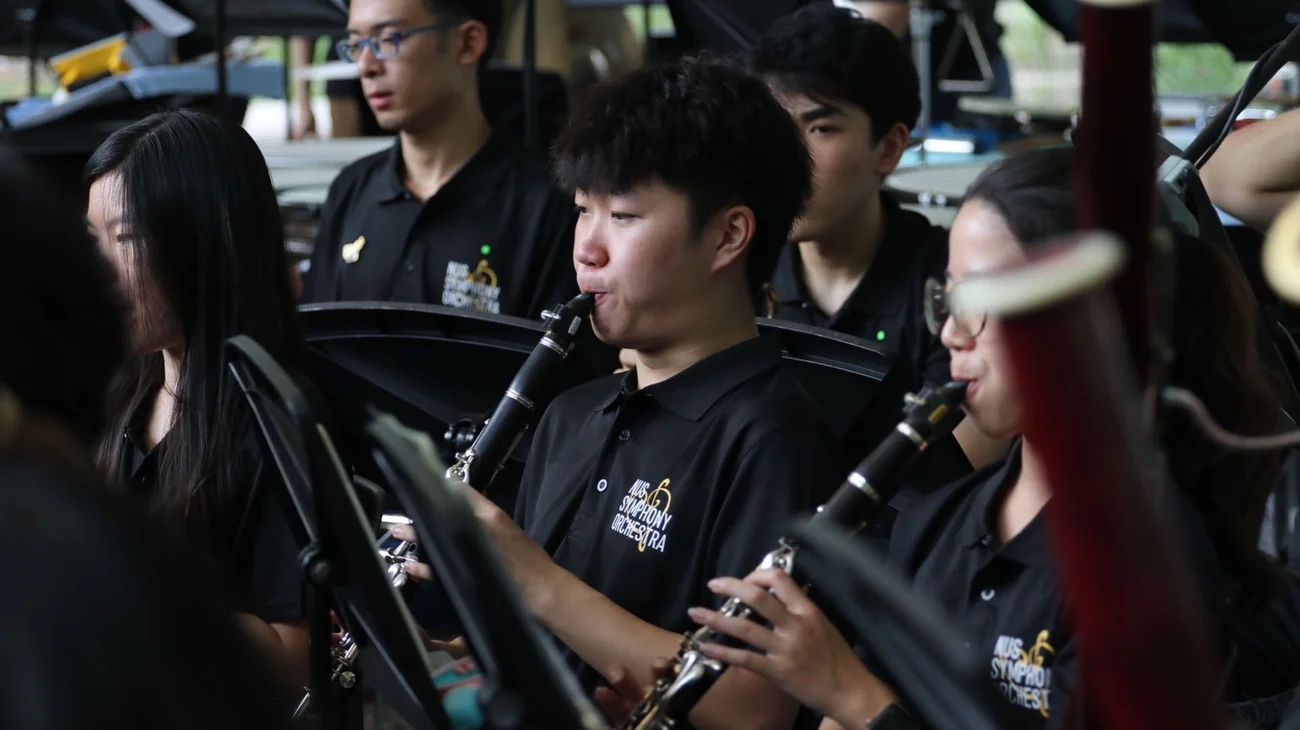
Practice, performance, repeat
Part of my life.
Wherever I go.
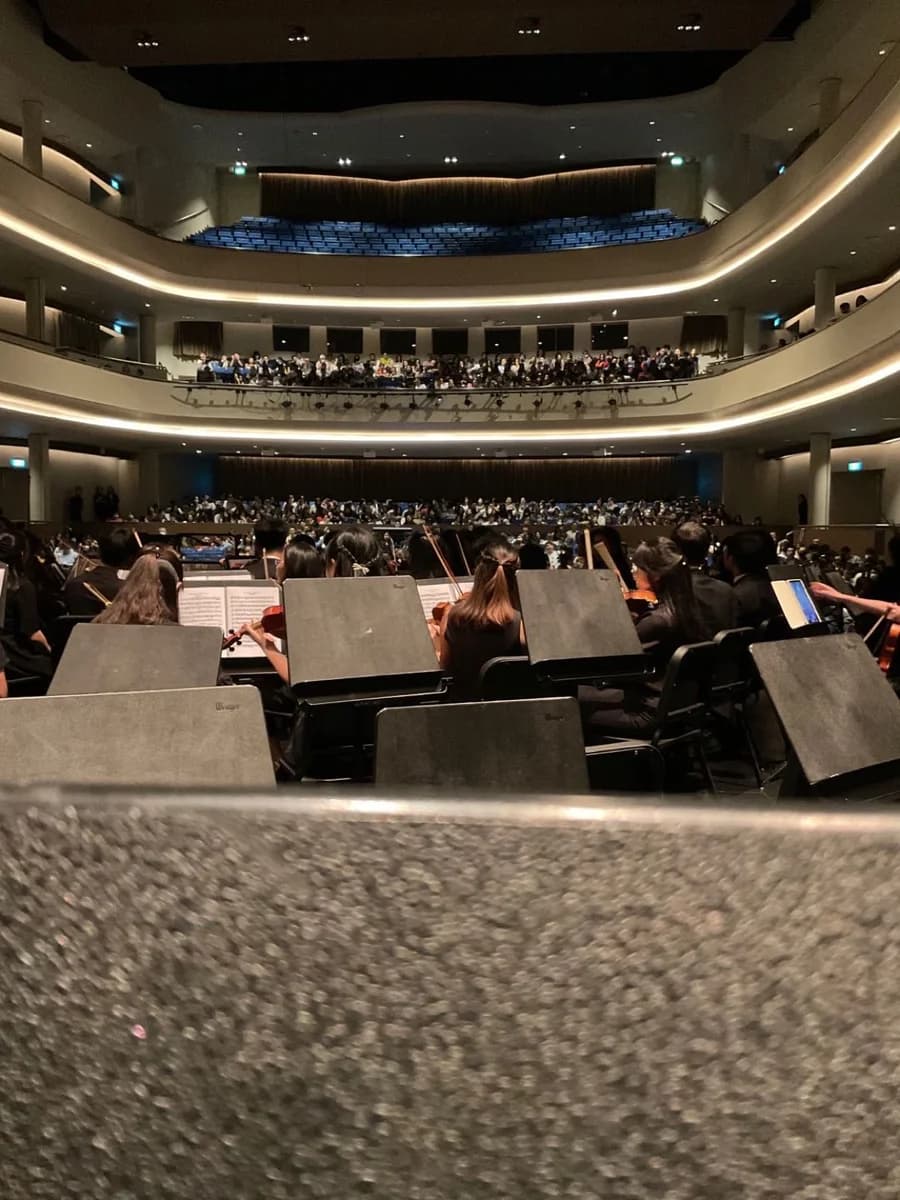
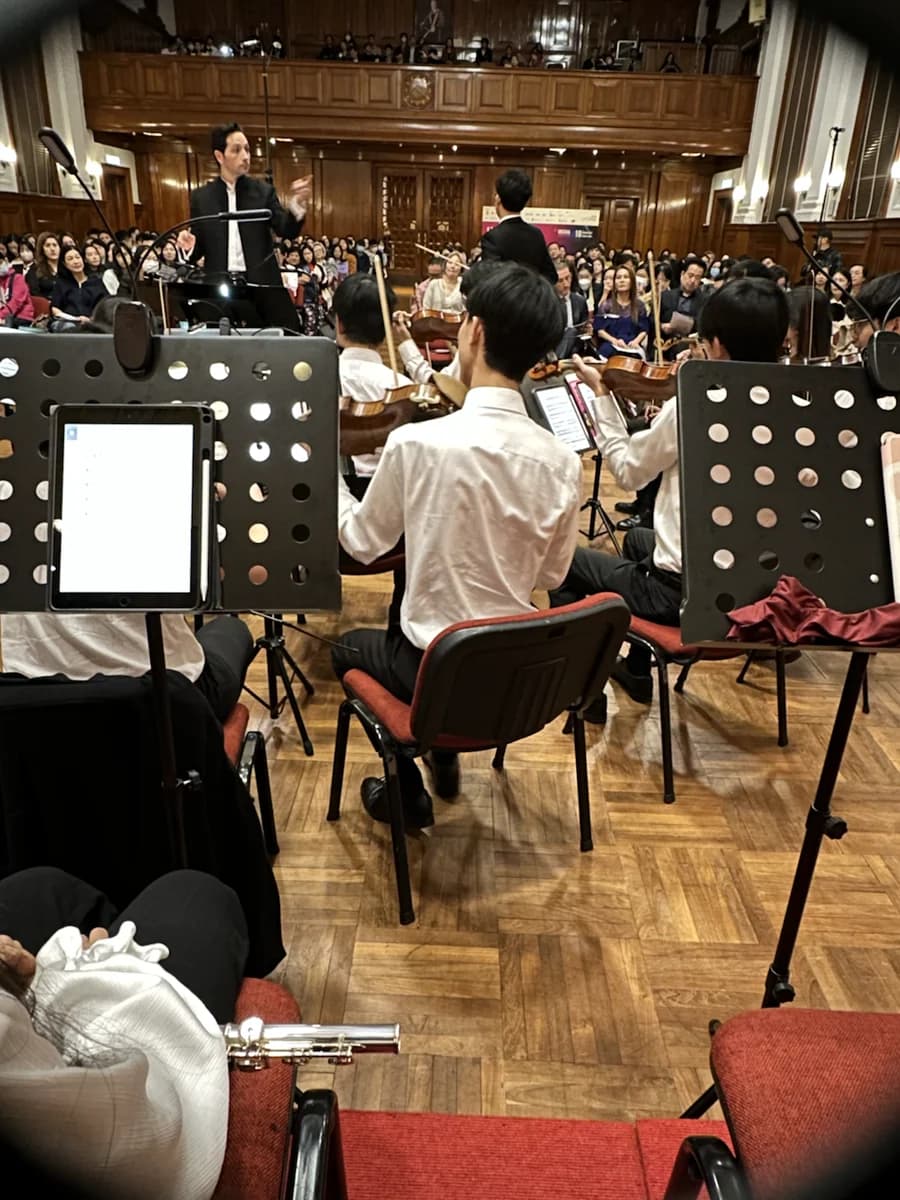
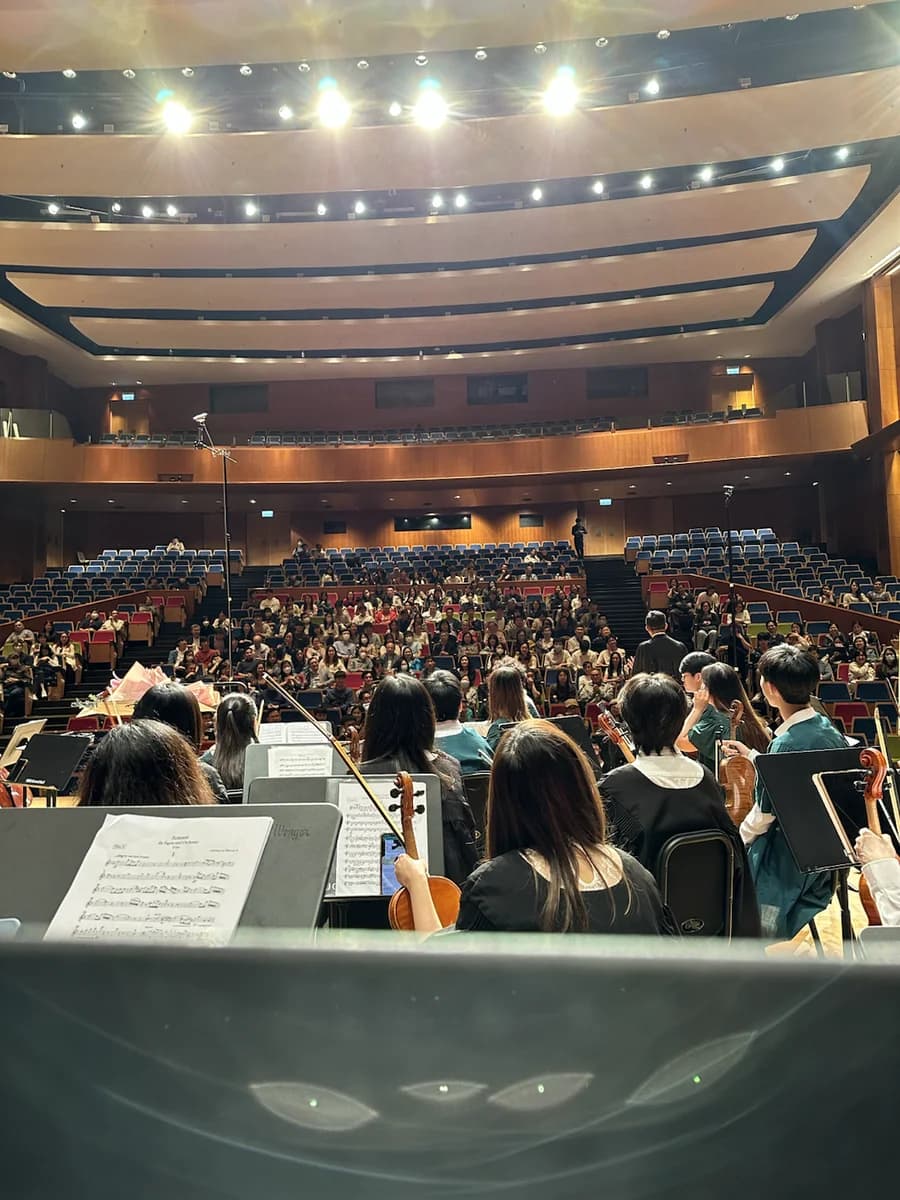
I played in symphony orchestras through middle school and high school, then with the NUS Symphony Orchestra. When I went on exchange to HKU, I played there too.
I was twelve years old when I earned Grade 10 in clarinet, the highest grade, with an excellent result. The certificate is issued through the Xi’an Conservatory of Music and recognized across China.
In 2020, I was selected for Tsinghua University’s high-level arts troupe admissions pathway. More than 500 clarinetists from across China competed, and selection required both academic exams and a live performance. Tsinghua had four places that year. It awarded one, to me, and left the other three unfilled. It’s an achievement I’m proud of.
I eventually studied computer science at NUS. The clarinet came with me.
Written for the Danish clarinetist Aage Oxenvad in 1928, Nielsen’s concerto has a reputation as one of the instrument’s most demanding works. Fast passagework, difficult fingerings and exposed cadenzas ask for exceptional control.
The character changes just as quickly: a singing line can turn into an outburst in a few bars. In the orchestral score, the snare drum repeatedly interrupts the soloist.
“the soloist needs to study his part for months if the result is to be satisfactory.”
Try it yourself · 45 notes
Explore the clarinet
From the lowest E to high C.
Choose a note. Hear it. Find the fingering.
C4
Natural
C4. Left hand: 1, 2, 3. Right hand: open. Thumb hole covered. No extra keys.
Arrow keys explore the notes. Enter plays again. Esc stops.
Chalumeau · E₃–F♯₄
The low register. Left hand above right, with the thumb behind. Follow the gold holes and keys; leave everything else released.
How to read the fingering
Gold marks the holes to cover and keys to press. Fingers 1, 2 and 3 are index, middle and ring. The inset shows the back: your left thumb covers the hole and can press the register lever marked R. Your right thumb supports the instrument.
LH and RH mean left and right hand. The little fingers operate the lower key clusters. Your left index works the throat A and G♯ keys; the side of your right index reaches the bottom side key. A key’s two names refer to the notes it serves in different registers.
A B♭ clarinet sounds a whole step below the written note. Written C₄ sounds B♭₃; the recordings here follow that transposition. The ♯ / ♭ switch changes the spelling, not the sound.
This explorer covers every semitone from written E₃ to C₇, using one fingering per note. Alternate fingerings help with tuning and transitions. The highest notes take practice, and experienced players can extend the range further.
Boehm fingerings · YamahaAltissimo fingerings · Edward S. PalankerRecorded samples · VSCO 2, CC0